Sleep after an injury
Pain keeps you up, and lost sleep makes pain louder. How to break the loop without counting hours.

Psychologist
4 min read
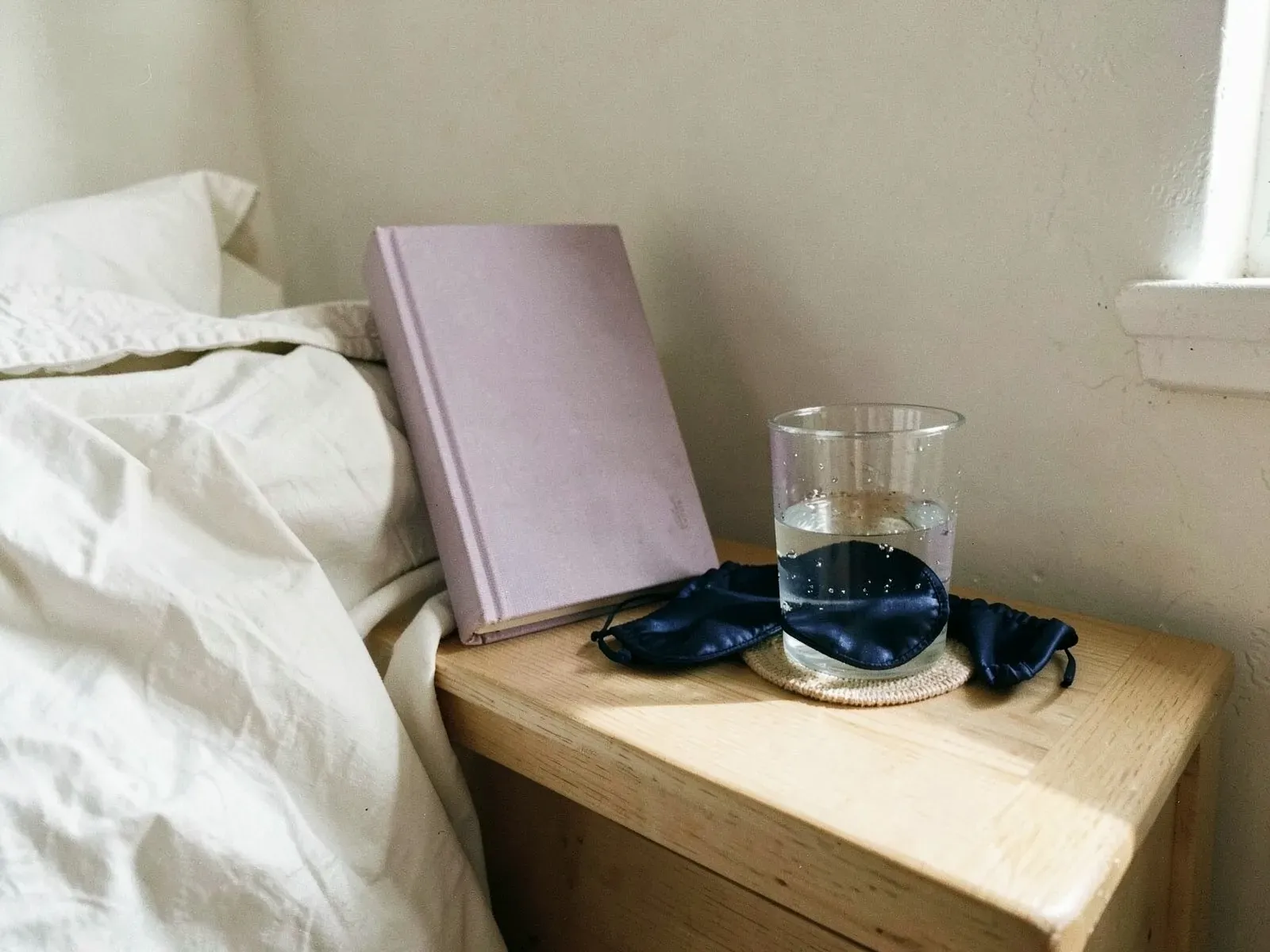
After an injury, many people tell us the nights are worse than the days. The pain is the same, but there is nothing else to listen to.
The loop
Poor sleep turns up the volume on pain: the same knee hurts more after a bad night. And pain makes it harder to fall asleep. Most people respond by going to bed earlier and staying longer, to catch up. That usually makes the nights lighter and more broken.
What helps
- Keep the same getting-up time, every day, whatever the night was like. It is the strongest signal your body clock has.
- Go to bed when you are sleepy, not when it is time. Lying awake in bed teaches the bed to be a place for lying awake.
- Get up if you have been awake for a while. Sit somewhere dim and do something dull until you feel sleepy again.
- Plan the pain relief with your GP or physiotherapist, so it covers the night, not just the day.
When to ask for help
If you have slept badly for more than a month, it has a life of its own, separate from the injury. A few sessions on sleep usually help more than any pill. Ask for Noor at Linden Court.