Eating for recovery
Healing tissue needs building material. Three changes that help most after an injury or an operation.
Dietitian
4 min read
After an injury or an operation, people tend to eat less: you move less, so it seems sensible. But healing is work, and it needs material.
Three changes that help most
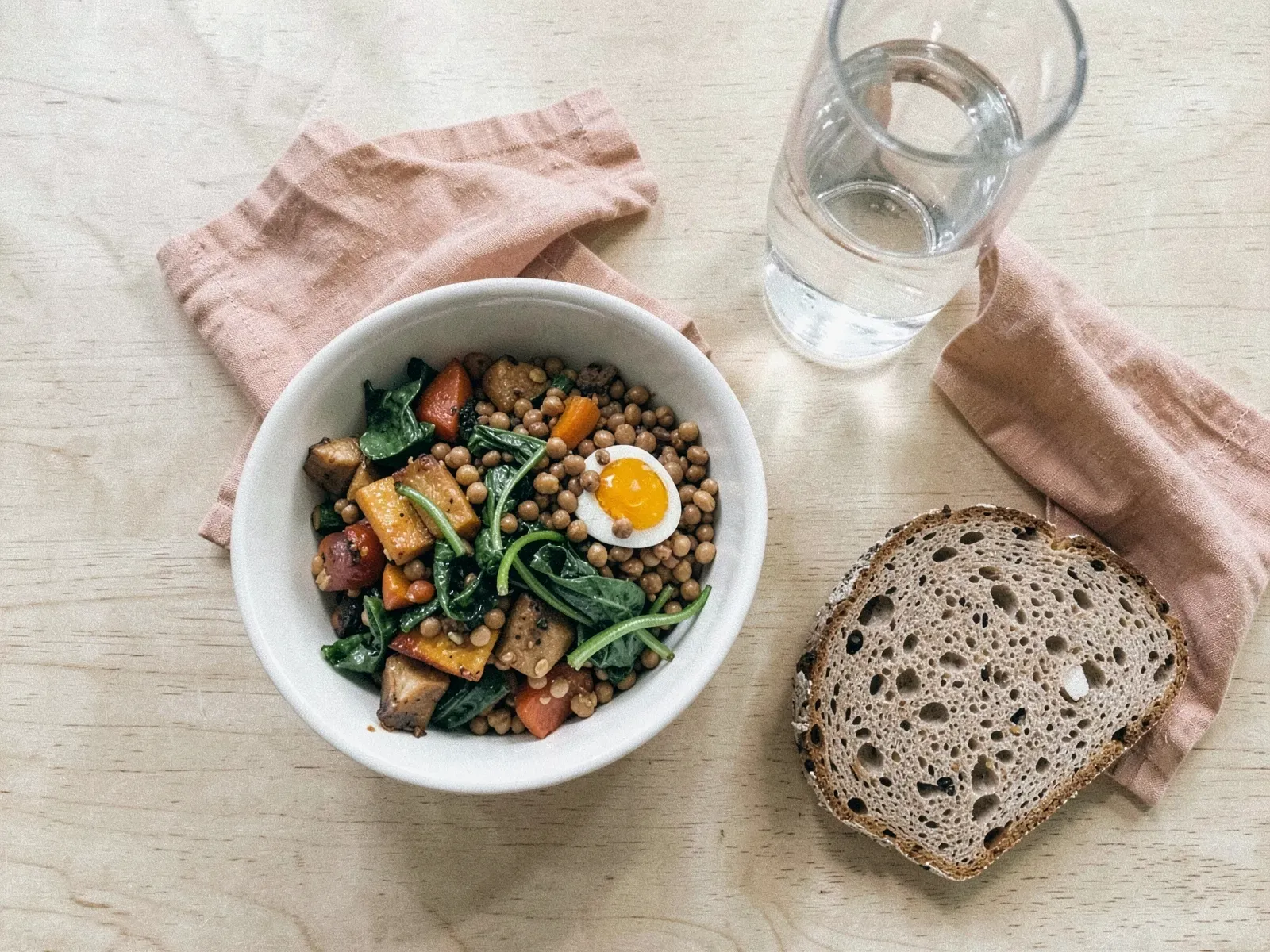
- Protein at every meal, not just at dinner. A yoghurt, eggs, beans or fish at breakfast and lunch spreads it over the day, which is how your body uses it best.
- Enough energy overall. Cutting back hard while you heal slows healing down. Eat to appetite, and don’t start a diet in the first weeks.
- Colour on the plate. Vegetables and fruit bring the vitamins tissue repair relies on. Frozen counts.
What doesn’t help
Supplements you haven’t been advised to take, and anything sold as a recovery shake that costs more than a meal. If you eat a varied diet, you rarely need them.
When to see a dietitian
If you have lost weight without trying, if you are training while injured, or if eating has become complicated. Most basic policies pay for three hours of advice a year.